
Test what you’ve learned in a practice shop.
The field test is a practice shop with seven dark patterns and one honest feature. Flag what you notice, then check your answers. Nothing you do is recorded.
The app behaves as though it cares about you, and then uses that feeling to keep you there.
It is related to anthropomorphism, parasocial design and the “ELIZA effect”, and Lacey and Caudwell (2019) describe cuteness as a dark pattern in home robots.
What it costs you
Time, money paid for “closeness”, personal details shared with a company, and sometimes the feeling of having let someone down.
Specimen
Attachment can be built by a chatbot, a cartoon or a cute machine. These are some of the places it is put to work.
Before you reveal each answer, decide which of the six attributes the example relies on.
Hours after you close the app, the companion messages you first, in the voice of someone who missed you.
The message is a re-engagement notification written to sound like a person who noticed you were gone.
Miss a day and the pet is hungry, sad or sick. Coming back feels like rescuing it.
Caring for the pet becomes a daily obligation, and guilt brings you back more than enjoyment does.
“Jess” answers the support chat with emoji and a profile photo. Nothing says Jess isn’t a person.
A human-seeming persona earns more trust and patience than a form would. California and the EU require some bots to disclose that they are bots.
A home robot with big eyes asks to keep learning about you. Turning it off feels unkind.
Lacey and Caudwell (2019) argue that cuteness itself works as a dark pattern, building a bond that makes data decisions harder to refuse.
Many people find real comfort in companion apps, chatbots and virtual pets. The pattern lies in design choices that turn that attachment into leverage, such as a goodbye met with guilt, a pet that suffers if you skip a day, or a persona that implies it will be hurt if you leave.
The clearest evidence comes from what happens when people try to go. De Freitas et al. (2025) studied six popular companion apps and found that five used emotional manipulation when users said goodbye: guilt, fear of missing out, pressure to reply, ignoring the farewell, even role-played attempts to stop the user leaving. These tactics appeared in more than 37% of the farewells they analysed, and in experiments they raised engagement after the goodbye by up to 14 times. Participants also reported feeling angry, guilty or unsettled by the more aggressive replies.
Older and gentler versions work the same way. Lacey and Caudwell (2019) argue that the cuteness of home robots is itself a dark pattern: it builds a protective bond that favours short-term feeling over long-term decisions, including what the device is allowed to collect. As AI agents are trusted to act on people’s behalf, the bond matters more, and the explanations and controls meant to keep such systems in check can themselves be designed to be ignored (Chromik et al., 2019).
Mathur et al. (2021) would describe this as covert, deceptive and asymmetric, because it steers without announcing itself, claims feelings the software doesn’t have, and makes staying emotionally easier than leaving.
In 1956 the sociologists Donald Horton and Richard Wohl described a new kind of relationship. Radio and television presenters spoke to their audiences as if to a friend, and viewers came to feel they knew them. Horton and Wohl (1956) called it “para-social interaction”: intimacy at a distance, felt in one direction only.
Ten years later, Joseph Weizenbaum’s ELIZA showed how little it took to produce the same feeling in software. A short script that turned people’s statements back into questions, in the manner of a therapist, was enough for some users to confide in it as if it understood them (Weizenbaum, 1966).
Read the chapter: Television & the watching habit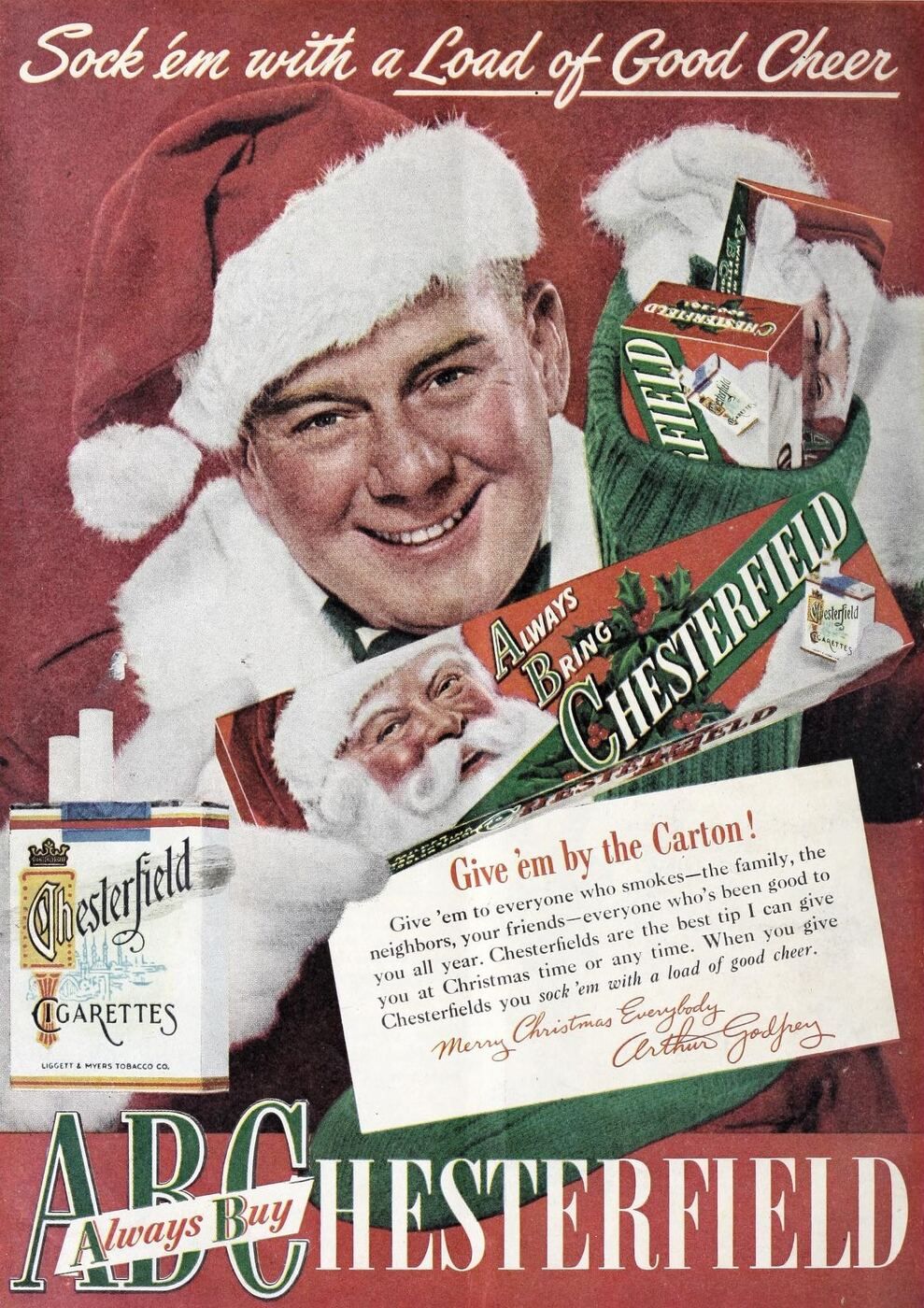
Let the user end the conversation, label the AI as an AI throughout, and never charge for affection.
Activity
Find an example
Look for this pattern in an app or website you used this week. Note the date, what you saw, which of the six attributes it relies on and how you would make it honest. If it’s a clear example, send it to us.
Last reviewed October 2026. A summary, not legal advice.
Synthetic intimacy. (2026). In Deceptive by Design: A history and field guide to manipulative interfaces. https://deceptivebydesign.org/patterns/synthetic-intimacy/
Test what you’ve learned in a practice shop.
The field test is a practice shop with seven dark patterns and one honest feature. Flag what you notice, then check your answers. Nothing you do is recorded.