
Test what you’ve learned in a practice shop.
The field test is a practice shop with seven dark patterns and one honest feature. Flag what you notice, then check your answers. Nothing you do is recorded.
Two people look at the same product at the same moment and see different prices, and neither of them is told.
It is also called price discrimination, “surveillance pricing” (the US Federal Trade Commission) or price steering (Hannak et al., 2014).
What it costs you
Sometimes more than someone else paid for the same thing at the same moment, with no way to know from your own screen.
Specimen
Studio Wireless headphones
Noise cancelling · 30-hour battery · ★ 4.5
$143.00
Free delivery · In stock
Ordered, for $143.00.
Nothing on the page suggested the price could be anything else.
This is your profile. Change it to see what someone else would be shown at the same moment.
Studio Wireless headphones
Noise cancelling · 30-hour battery
$129.00
The same price for everyone, with no personalisation.
Ordered.
Studio Wireless headphones
$153.00
1WHAT SET THIS PRICE (NOT SHOWN TO YOU)
An illustration. Real systems use many more signals, and their weights aren’t public.
Ordered.
You paid $135.00, the same as anyone else buying these today.
These examples come from researchers and shoppers who compared what different people were shown.
Before you reveal each answer, decide which of the six attributes the example relies on.
Shoppers compared orders placed at the same time, from the same store, on the same app.
A 2025 study by Groundwork Collaborative and Consumer Reports found most tested items shown at different prices to different shoppers, up to 23% apart. The company said these were randomised tests.
A hotel site showed lower prices to some mobile users, with nothing on screen to say so.
Hannak et al. (2014) found one travel site cutting prices for iPhone users, and a discount for one group is a higher price for everyone else.
Two shoppers search for the same thing. One sees the cheaper options first, the other the dearer.
Steering leaves each price as it is and changes the order instead, and people tend to choose from near the top of a list.
A personal code offers 10% off. Someone else, predicted to need more persuading, got 25%.
Targeted discounts are also personalised prices, and an offer feels generous when you can’t see what anyone else was offered.
Prices that change with demand but are the same for everyone at a given moment are known as dynamic pricing. Personalised pricing is different, because the price varies by person. It is set by your device, your location, your history or what a profile predicts you will pay, and it is presented to you as simply “the price”.
It is hard to see from the inside, because you only ever see your own price. Hannak et al. (2014) got around this by comparing what 300 real users and a set of controlled test accounts saw on 16 major retail and travel sites. They found personalisation on several of them. Members logged in to two travel sites were shown lower prices on about 5% of hotels, and one travel site cut prices for iPhone users without any visible sign. Elsewhere, a home improvement retailer steered mobile users towards more expensive products, and A/B tests on other sites steered some users to pricier hotels.
More recent investigations suggest the practice has grown. In a 2025 study of grocery orders, Groundwork Collaborative and Consumer Reports found that nearly three-quarters of tested items were shown to different shoppers at different prices on the same app, for the same store, at the same time, with the highest price up to 23% above the lowest (Wells et al., 2025). The company said the differences came from limited, randomised price tests rather than shoppers’ personal data, which is itself a reminder of how little a shopper can tell from a single screen.
Calo (2014) and Turow (2006, 2011) argue that the combination of detailed profiles and interfaces that can be changed for each person gives firms a new kind of power over buyers. Mathur et al. (2021) call it disparate treatment, because one group gets a worse deal than another without being told.
For most of history there was no fixed price. Sellers and buyers haggled, and the final figure depended on the seller’s judgement of the customer, including how they were dressed and how badly they seemed to want the item.
The one-price system, which replaced haggling in the 1870s and spread with department stores, promised everyone the same price for the same thing (Lauer, 2017). Personalised pricing undoes that promise, using a data profile where the seller once used their own judgement.
Read the chapter: Psychology enters advertising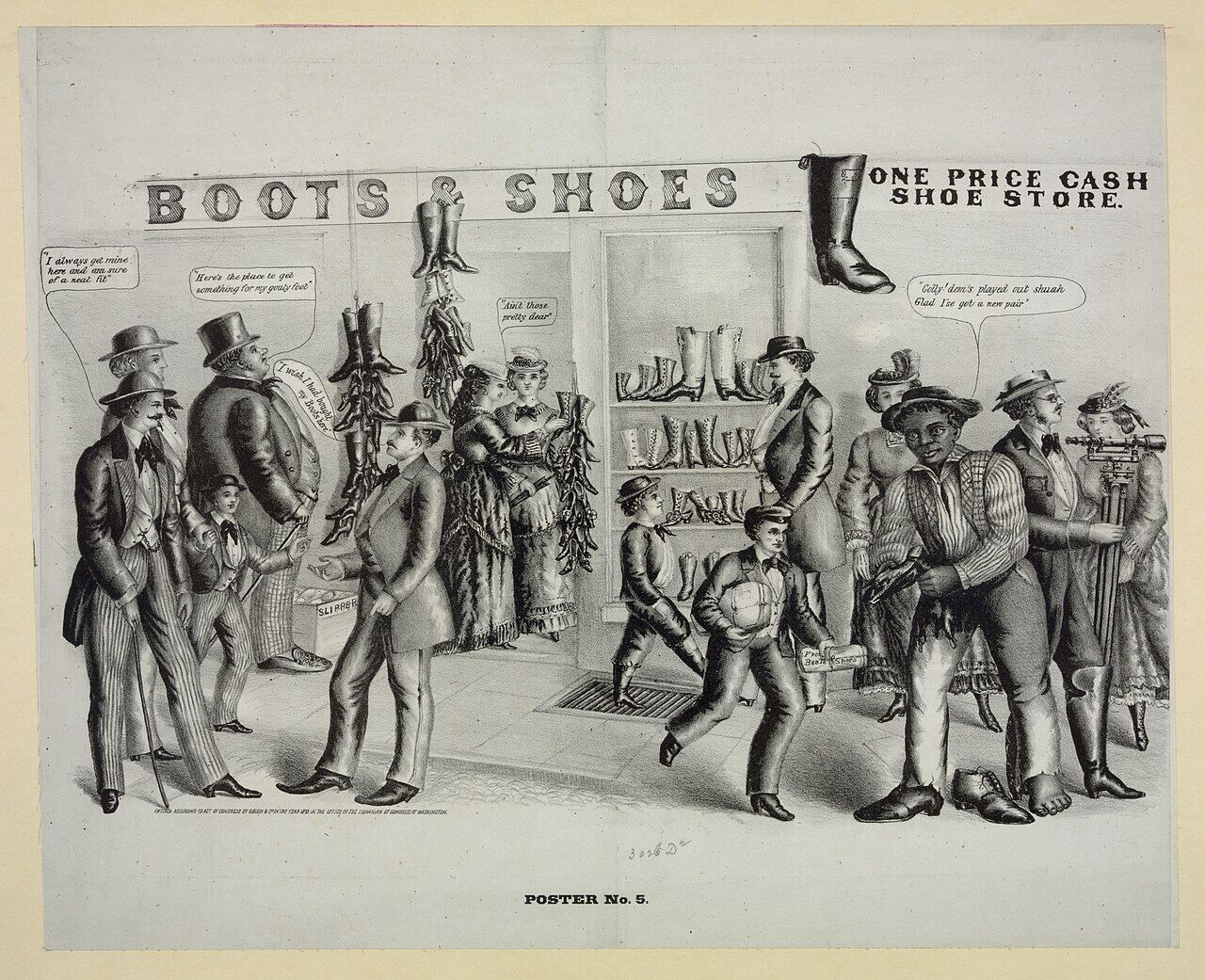
Charge one price, or label a personalised price on the price itself and say what it was based on.
Activity
Find an example
Look for this pattern in an app or website you used this week. Note the date, what you saw, which of the six attributes it relies on and how you would make it honest. If it’s a clear example, send it to us.
Last reviewed October 2026. A summary, not legal advice.
Personalised pricing. (2026). In Deceptive by Design: A history and field guide to manipulative interfaces. https://deceptivebydesign.org/patterns/personalised-pricing/
Test what you’ve learned in a practice shop.
The field test is a practice shop with seven dark patterns and one honest feature. Flag what you notice, then check your answers. Nothing you do is recorded.